
JL Landworx Services
Boulder Walls
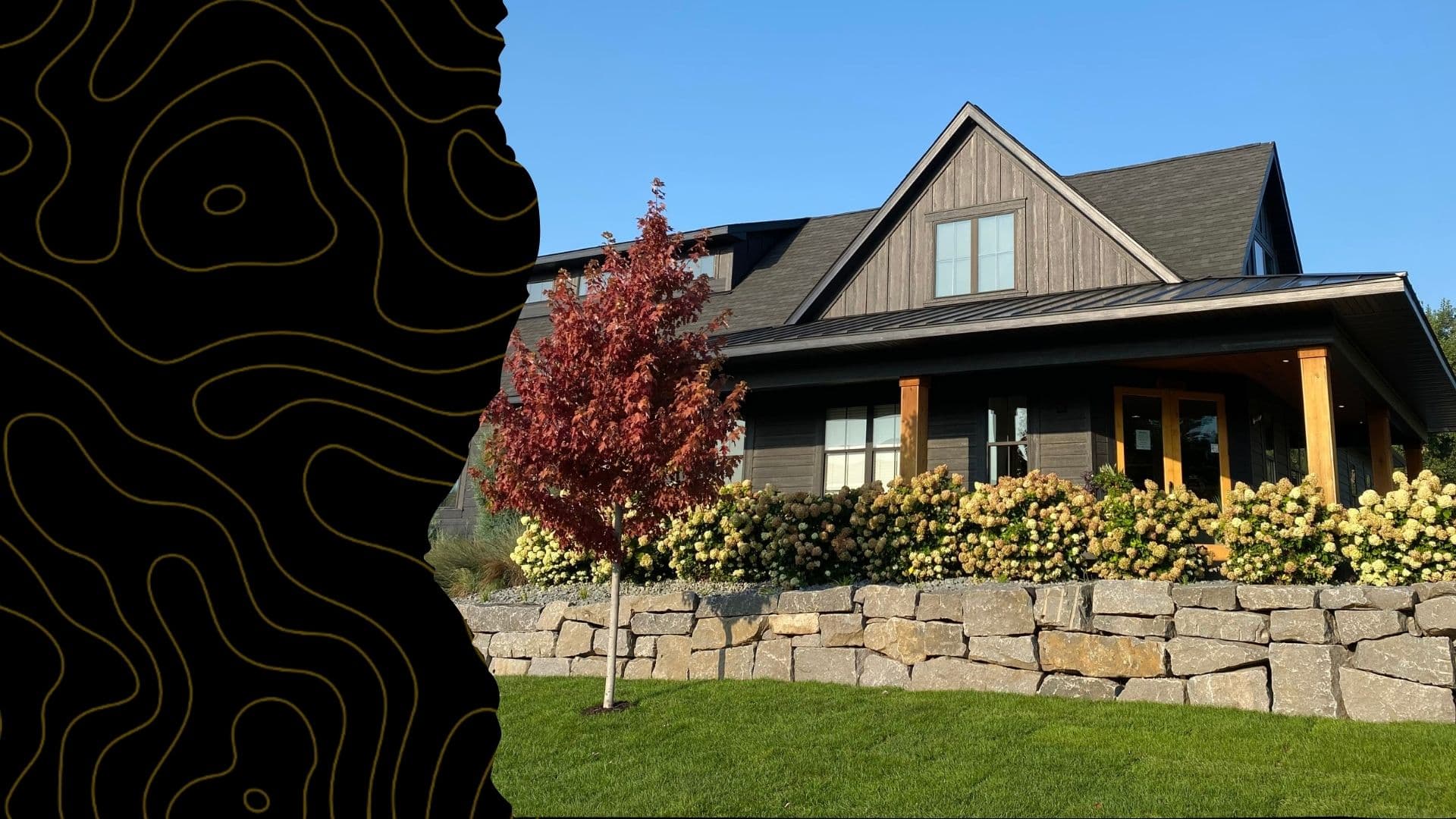
Boulder retaining walls can manage grade changes using natural stone set on a prepared base with planned drainage, subject to the site, design, and applicable approvals.
Boulder Walls for planned site work
A boulder wall can manage a grade change while giving the landscape a natural-stone edge. JL Landworx builds boulder walls across Central Minnesota and the greater Twin Cities for residential slopes, tiered landscapes, timber-wall replacements, and other suitable sites after the layout and constraints are reviewed.
The work below and behind the visible stone matters. Base preparation, stone placement, backfill, and drainage must match the site and design. Taller, shoreline-adjacent, or otherwise complex walls may need approval or design input from the authority or qualified professional responsible for the property.
Problems boulder walls solves
- A sloped yard is eroding or unusable and needs to be held back and terraced
- An old timber retaining wall is rotting, leaning, or collapsing
- A shoreline or pond edge needs stabilization that looks natural
- A steep grade between a home and a lake, driveway, or yard needs to become usable space
- New construction left abrupt grade changes that need a structural solution
- An existing wall was built without proper base or drainage and is failing
What we do
- Boulder retaining walls for suitable slopes and grade changes
- Tiered wall systems that terrace steep sites into levels
- Outcropping-style walls and natural stone ledges
- Shoreline- and pond-edge wall planning where the site and approvals allow
- Failing timber wall removal and replacement
- Excavation and compacted base preparation below the wall line
- Drainage aggregate, fabric, and drain tile behind the wall
- Boulder selection and placement for both structure and appearance
- Backfill, compaction, and finish grading above and below the wall
Our boulder walls process
Site review and layout
We look at the slope, soils, water movement, and access, then lay out the wall line, height, and any tiering with you before quoting.
Excavation and base prep
The wall line is excavated and a compacted aggregate base is installed so the first course of stone sits on stable, level ground.
Stone placement
Boulders are set from the bottom up, each one bearing into the slope and locked against its neighbors. Tiers are stepped back so upper walls don't load the lower ones.
Drainage and backfill
Drainage aggregate and fabric go in behind the wall as it's backfilled in lifts, giving water a path out instead of letting pressure build against the stone.
Finish grading
The ground above and below the wall is graded to drain away from the structure and left ready for seed, sod, or landscape work.
Common projects
- Sloped backyard retaining walls
- Tiered walls on steep lake and hillside lots
- Shoreline and pond-edge stabilization
- Timber wall tear-out and boulder replacement
- Driveway and entrance retaining walls
- Outcropping-style walls integrated with landscape construction
- Grade changes around new home construction
Planning your project
What affects cost
- Wall height, length, and whether the design requires tiers
- Boulder size and type — larger stone costs more to source and set
- Amount of excavation and base preparation required
- Site access for equipment and stone delivery
- Drainage requirements behind the wall
- Whether an old timber or block wall has to be demolished and hauled off first
- Haul distance for stone and spoils
What affects timing
- Wall length, height, and number of tiers
- Stone availability and delivery scheduling
- Ground conditions — saturated slopes slow excavation and compaction
- Demolition of an existing wall before the new one goes in
- Weather windows, since base and backfill compaction need workable soil
Good to know
- Taller walls and walls near shorelines may require permits or engineered design — check local requirements early in planning.
- Water is what kills retaining walls; plan surface drainage above the wall, not just the drainage behind it.
- If an existing timber wall is failing, the soil behind it has usually moved too — expect some regrading as part of the replacement.
- Decide how the space above and below the wall will be used; it affects height, tiering, and where steps or access paths should go.
Where we work
Boulder Walls by area
- Boulder Walls in RogersHennepin County, MinnesotaLearn more →
- Boulder Walls in BuffaloWright County, MinnesotaLearn more →
- Boulder Walls in Elk RiverSherburne County, MinnesotaLearn more →
- Boulder Walls in DelanoWright County, MinnesotaLearn more →
- Boulder Walls in GreenfieldHennepin County, MinnesotaLearn more →
- Boulder Walls in HamelHennepin County, MinnesotaLearn more →
- Boulder Walls in Maple PlainHennepin County, MinnesotaLearn more →
- Boulder Walls in MinnetonkaHennepin County, MinnesotaLearn more →
- Boulder Walls in OronoHennepin County, MinnesotaLearn more →
- Boulder Walls in PlymouthHennepin County, MinnesotaLearn more →
- Boulder Walls in RockfordWright and Hennepin counties, MinnesotaLearn more →
- Boulder Walls in St. BonifaciusHennepin County, MinnesotaLearn more →
- Boulder Walls in WayzataHennepin County, MinnesotaLearn more →
- Boulder Walls in ZimmermanSherburne County, MinnesotaLearn more →
Related services
Often paired with
- Landscape ConstructionLandscape construction is the heavy-equipment side of landscaping — final grading, boulder walls, stone features, berms, and drainage-integrated shaping that turns a rough site into a finished landscape.Learn more →
- GradingGrading is shaping the ground to the right elevations and slopes — rough grading for construction, finish grading for lawns, and regrading to fix drainage.Learn more →
- Drainage SolutionsDrainage work reshapes or plumbs the ground so water goes where it should — fixing standing water, wet basements, and erosion with swales, culverts, and drains.Learn more →
- ExcavationExcavation is the controlled removal and placement of soil to prepare a site for construction — from foundations and basements to utilities, driveways, and drainage.Learn more →
- Erosion ControlErosion and sediment control keeps soil on your site during and after construction — silt fence, inlet protection, and stabilization for disturbed ground and shorelines.Learn more →
Plan the next step
Boulder Walls resources
- View project photosSee first-party images of JL Landworx excavation, clearing, wall, demolition, and landscape work.Learn more →
- Browse service areasFind dedicated service pages across Central Minnesota and the greater Twin Cities.Learn more →
- Request a written quoteShare the property address, project goal, access details, and preferred timing so the site review starts with useful information.Learn more →
FAQ
Boulder Walls questions
Why do boulder walls fail, and how do you prevent it?
Base movement, drainage, unsuitable layout, material placement, and loads can all contribute to failure. The construction scope should follow the site and any required design, including specified base, backfill, and drainage details. No wall should be presented as a universal drainage or engineering fix.
Can you replace my rotting timber wall with boulders?
It can be, after the failing wall, moved soil, access, grade change, drainage, and replacement layout are reviewed. A quote can include timber removal, disposal, excavation, specified base and drainage materials, boulder placement, backfill, and finish grading without promising a universal lifespan or performance outcome.
How tall can a boulder wall be?
It depends on the site, the stone, and local requirements. Lower walls are straightforward; taller applications often work better as tiered walls stepped back from each other, and may require permits or an engineered design. We'll tell you what your site supports after looking at it.
Do boulder walls work on shorelines?
They may be one option on an appropriate, approved shoreline design, but shoreline conditions and jurisdiction vary by parcel. Confirm applicable approvals and obtain any needed professional design before treating a boulder wall as the stabilization solution.
How long does a boulder wall last?
There is no responsible generic lifespan without knowing the stone, design, base, drainage, loads, exposure, and maintenance. The quote can explain the planned assembly and site factors, but it should not promise a fixed service life.
Plan your boulder walls project
Tell JL Landworx what you need the site to support, where the work is located, and what must happen before or after boulder walls. We’ll review the scope and provide a project-specific quote and schedule.