
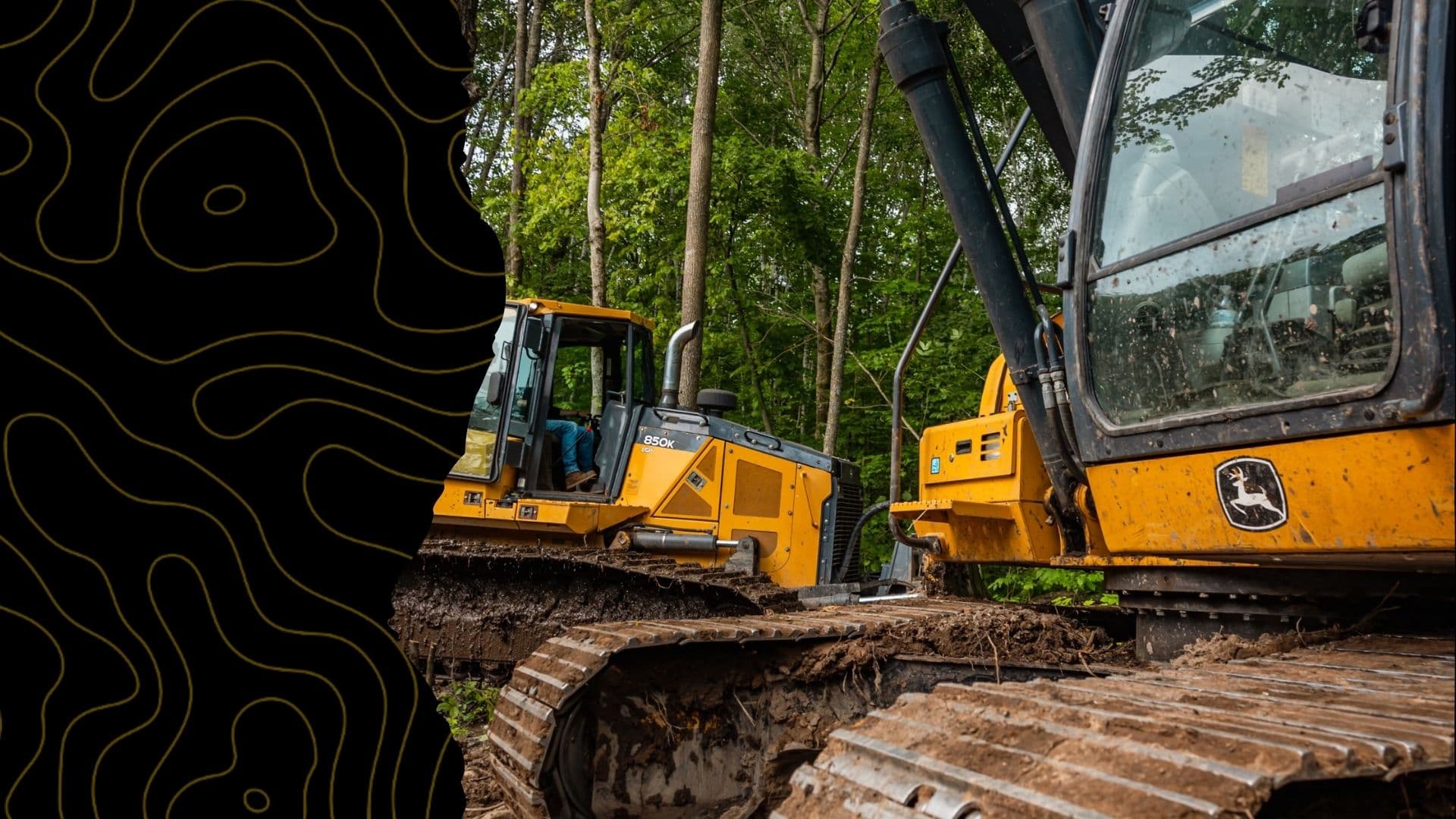
Excavation — Hennepin County
Excavation in Mound, MN
JL Landworx provides excavation in Mound, MN for additions, utilities, driveways, boulder walls and planned work on compact lake-area lots.
Excavation for Mound properties
JL Landworx provides excavation in Mound for additions, replacement construction, utilities, driveways, boulder walls, and landscape projects on compact lake-area properties. The plan starts with access because peninsulas, slopes, and tight lots can limit equipment and material staging.
Excavation on a constrained site is a logistics job as well as a digging job. Trucks, excavated soil, imported aggregate, protected surfaces, and the next contractor all compete for limited room, so the sequence is defined before mobilization.
Excavation work in Mound
Mound wraps around the western bays of Lake Minnetonka and contains many small, established lots. Conditions and requirements vary by parcel, so the work area, shoreline relationship, and drainage route must be confirmed for the actual property.
Sloped sites can connect excavation with retaining walls and landscape construction. The visible grading and surface-water path should be coordinated, while structural or regulated aspects rely on the appropriate plan and approvals.
Projects we handle in Mound
Addition and replacement-site excavation
Foundation or footing excavation on an established property with a defined route for equipment and removed material.
Boulder-wall and terrace preparation
Slope excavation and grading for an approved wall or landscape layout where level space is being created on a tight lot.
Utility and driveway improvements
Targeted trenching or subgrade work coordinated with the property's access, drainage, and restoration plan.
Excavation capabilities
- Basement and foundation excavation for new homes, additions, and garages
- Building pad and site-cut excavation for residential and commercial construction
- Utility trenching for water, sewer, septic, and electrical runs
- Driveway excavation and subgrade preparation
- Pond excavation and shaping
- Footing and frost-footing digs
Before you start
- Confirm equipment width, delivery access, turning room, and temporary material storage before scheduling.
- The owner or project team must verify any shoreline or parcel-specific requirements before the excavation boundary is set.
- Haul-off, small staging areas, protected hardscape, and hand work can affect cost and timing even when the excavation volume is modest.
Scope, pricing, and scheduling
A useful quote is based on the actual property and handoff condition—not a generic unit price. JL Landworx reviews access, quantities, material handling, related trades, and the work that must be complete before the next phase can begin.
What affects the scope and price
- Volume of material to be cut, filled, or hauled
- Soil conditions and whether unsuitable material must be removed
- Depth of the excavation and shoring or benching needs
- Site access for equipment and trucks
- Distance spoils must be hauled and disposal fees
What affects the schedule
- Size and depth of the excavation
- Weather — saturated or frozen ground slows digging and compaction
- Utility locate turnaround before work can begin
- Inspection hold points for footings or buried utilities
- Haul distance and availability of disposal sites
How excavation works in Mound
Site walk and scope review
We visit the property, review plans or your project goals, and identify access, spoils, and haul-off considerations before quoting.
Locates and layout
Utility locates are called in before any digging. Excavation limits and elevations are laid out from the site plan or agreed measurements.
Excavation
Soil is cut to the required depths and elevations. Suitable material is stockpiled for backfill; excess or unsuitable spoils are hauled off.
Subgrade preparation
The bottom of the excavation is proofed, shaped, and compacted so the next trade — concrete, utilities, or aggregate base — starts on stable ground.
Backfill and rough grade
Once the buried work is inspected and complete, we backfill in lifts, compact, and leave the site at rough grade, ready for the next phase.
Nearby
Excavation in nearby areas
Related services
Often paired with
- Site PreparationSite preparation is the work that turns raw or cleared land into a buildable site — soil beds, building pads, and subgrade preparation done to plan elevations.Learn more →
- GradingGrading is shaping the ground to the right elevations and slopes — rough grading for construction, finish grading for lawns, and regrading to fix drainage.Learn more →
- Utility TrenchingUtility trenching is excavating narrow, properly sloped trenches for buried water, sewer, septic, electric, and other lines — then backfilling and compacting them correctly.Learn more →
Project resources
Plan excavation in Mound
- Excavation service overviewReview JL Landworx capabilities, process, planning factors, and FAQs for excavation.Learn more →
- View JL Landworx project photosSee first-party images from excavation, clearing, boulder-wall, demolition, and site-development work.Learn more →
- Request a Mound project quoteSend the property address, intended use, access notes, and timing so the site review can focus on the right scope.Learn more →
FAQ
Excavation in Mound — questions
Is a small Mound lot too tight for excavation equipment?
Not necessarily. The site visit measures the route and work area, then matches the scope to equipment that can reach it. Some areas may need smaller equipment or more hand work, which is reflected in the estimate.
Can excavated soil be stored on a lake-area lot?
Only when there is a suitable, approved place that does not block access or expose the material to erosion. Tight sites often require material to leave as it is excavated.
Can you combine excavation with a boulder-wall project?
Yes. Coordinating the excavation, wall base, drainage materials, and finish grading can be especially useful on a constrained slope. Any required design or approval must be in place first.
Discuss your Mound excavation project
Share the property address, the result you need, and what is already known about access, utilities, plans, and timing. JL Landworx will review the Mound site and prepare a project-specific quote.